Understanding Jueteng: History and Cultural Significance
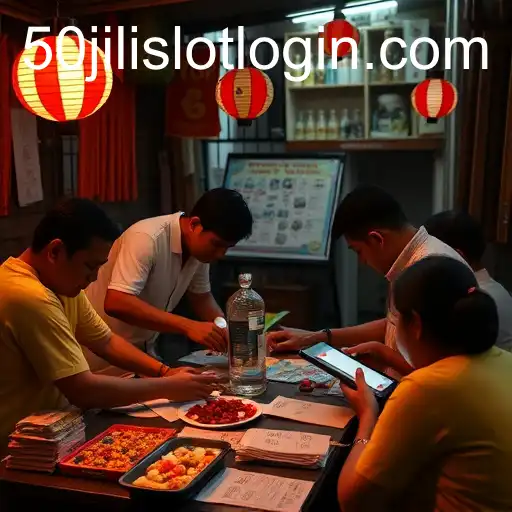
Jueteng is an illegal numbers game widely played in the Philippines. Its roots can be traced back to the Spanish colonial period, making it a significant cultural element in various Filipino communities. Unlike official lottery systems, Jueteng operates openly yet illegally, drawing participation from a wide segment of the population. The game's ability to attract players across various socio-economic classes highlights its deep entrenchment in Filipino culture.
The Mechanics of Jueteng
This numbers game relies on a simple process. Players choose a combination of numbers, usually gleaned from personal significance or superstitious beliefs. The game is managed by a cabalero who collects bets from participants and a kubrador who ensures the operation runs smoothly on the ground. The winning numbers are often drawn using small objects like balls or pieces of paper, overseen by a jueteng lord, who serves as the financier and decision-maker.
The Socio-Economic Impact of Jueteng
Despite its illegal status, Jueteng plays a significant economic role for many, providing a livelihood for those engaged in its operations. For the players, it presents an opportunity to win substantial money with little investment, filling a void left by legitimate economic opportunities. However, this economic aspect is double-edged. The game is often tied to corruption, with payoffs to law enforcement and government officials to ensure its continued operation. This corruption can divert resources away from essential public services.
Jueteng in the Context of Modern Online Gambling
The advent of online gambling platforms has shifted traditional gambling paradigms, with games like 50jili slot login gaining popularity. These platforms demonstrate how gambling's allure, characterized by a mix of chance, superstition, and potential reward, extends beyond cultural boundaries and physical locations. Like Jueteng, online gambling serves as a means for individuals to aspire to quick financial gains, though it often carries similar socio-economic risks, including addiction and financial ruin.
With the rise of technology, the government's ability to control gambling, both online and traditional, has become increasingly complex. While efforts have been made to regulate and legitimate gambling practices through state lotteries and casinos, the persistence of Jueteng underscores the challenges of eradicating deeply rooted cultural practices.
The Role of Policy and Regulation
Efforts to eliminate Jueteng have historically been met with mixed results. Crackdowns often lead to temporary lulls in activity rather than permanent cessation. This ineffectiveness is partly due to the game's adaptability and deep community ties, rendering enforcement measures difficult. Furthermore, the nexus of politics and Jueteng complicates regulatory efforts, as the game allegedly provides campaign funding and grassroots support for local politicians.
In digital spheres, regulation struggles mirror those in traditional games. Though comprehensive gambling policies are being proposed, the enforcement of age restrictions, addiction prevention, and financial transparency often seems inadequate. This parallels the on-ground issues with Jueteng, where a lack of effective oversight permits the game to flourish.
Perception and Reality: The Jueteng Narrative
Public perception of Jueteng often conflicts with its reality. While it's viewed as a harmless tradition by many, the game's questions of morality emerge when considering its association with corruption and poverty perpetuation. This dichotomy extends to the digital age as well, where online gambling platforms, seen as legitimate enterprises, can also harbor illicit activities.
This perception issue raises questions on how society views and interprets legal versus illegal gambling, particularly when they exhibit similar social behaviors and economic impacts.
Cultural Significance Versus Economic Realities
Jueteng's persistence underscores the broader societal challenge of addressing poverty and providing meaningful economic opportunities. This challenge compels many Filipinos to resort to illegal gambling in hopes of financial relief. Similarly, online platforms like 50jili are appealing because they offer the promise of quick and large payouts in an increasingly digital world.
The debate continues around whether cracking down harder or finding a balance that recognizes Jueteng's impact culturally and economically could offer more effective solutions. Regulation and integration strategies— if carefully managed— could potentially transform Jueteng from an underground economy to a regulated activity that contributes to local economies.
For many communities, Jueteng is more than a game; it is a social event where relationships are forged, cultural expressions are shared, and hopes are momentarily sustained. The challenge lies in reconciling these traditional practices with modern notions of legality and economic stability.